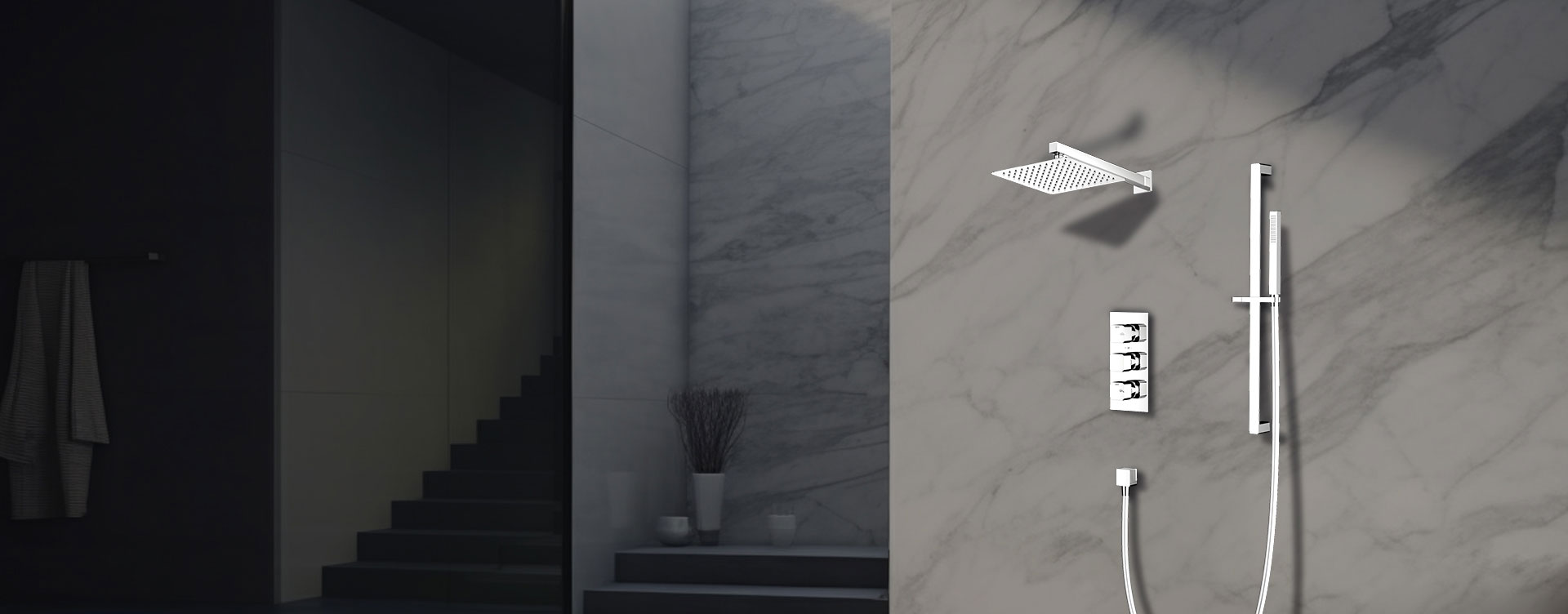
Cleaning your shower head regularly is essential for maintaining strong water pressure, hygiene, and consistent spray performance. Over time, mineral deposits (mainly calcium and lime) and bacteria can accumulate in the nozzles, especially in areas with hard water. A proper cleaning routine not only improves your shower experience but also extends the life of your fixture.
Here’s a complete guide on how to clean a shower head — suitable for both fixed and handheld types, including modern designs like those from Global MoonShower.
A dirty shower head can cause:
Reduced water pressure from clogged spray holes.
Uneven spray patterns or stray jets.
White or green mineral stains on chrome or matte finishes.
Bacterial growth (biofilm) that may cause odors.
Most modern shower heads are designed with rubber anti-limescale nozzles, which make cleaning easier — but buildup still happens over time.
| Item | Purpose |
|---|---|
| White vinegar or lemon juice | Dissolves mineral buildup naturally |
| Baking soda (optional) | Boosts cleaning strength |
| Plastic bag (1–2 L capacity) | Holds vinegar for soaking |
| Rubber band or twist tie | Secures the bag around the head |
| Old toothbrush or soft cloth | Scrubs away debris and residue |
| Toothpick or soft brush | Clears blocked nozzles |
| Microfiber towel | Dries and polishes the surface |
| Wrench (for detachable models) | Optional, for removing the shower head |
Avoid harsh chemicals or metal brushes — they can damage coatings on stainless steel or brass shower heads.
This is the easiest method and works well for most fixed or overhead shower heads.
Pour enough white vinegar into a plastic bag to submerge the entire shower head face.
For stronger buildup, add 1 tablespoon of baking soda (it will fizz).
Place the vinegar-filled bag over the shower head.
Secure it with a rubber band or zip tie around the neck or pipe.
Let it soak for 2–4 hours, or overnight for heavy mineral deposits.
Avoid leaving it for more than 12 hours to prevent finish discoloration.
Take off the bag and run hot water for 2–3 minutes to flush debris.
Wipe the head with a damp cloth and dry it with a microfiber towel.
Rub each nozzle gently with your fingers or a soft brush.
Use a toothpick to dislodge any stubborn deposits.
If your shower head can be detached (common in handheld or dual-shower sets), you can clean it more thoroughly.
Use a wrench or by hand to unscrew the head from the hose or pipe.
Wrap a cloth around the connection to avoid scratching chrome.
Submerge the head in a bowl or bucket filled with equal parts white vinegar and warm water.
Let it sit for 2–3 hours (or 30–60 minutes for light buildup).
Use a soft toothbrush to gently clean the spray nozzles and inner filter.
Rinse thoroughly with clean water.
Screw the shower head back onto the arm or hose.
Turn on the water at full pressure for 1–2 minutes to clear any residue.
Most high-quality shower systems (like those from Global MoonShower) use silicone or rubber nozzles designed for self-cleaning.
To maintain these:
Once a week, run hot water for 30 seconds to flush buildup.
Rub the rubber tips gently with your thumb to remove deposits.
Wipe dry after use to prevent lime spotting on chrome or matte black finishes.
Regular light cleaning helps you avoid heavy mineral accumulation.
| Tip | Benefit |
|---|---|
| Use filtered water | Reduces mineral content and scaling |
| Dry the shower head after each use | Prevents water stains and oxidation |
| Avoid bleach | It can corrode rubber and metal parts |
| Clean every 2–3 months | Keeps spray performance consistent |
| Check hose connections | Tighten if leaking or dripping |
| Polish chrome or brushed finishes | Use a non-abrasive cleaner to keep shine |
For matte black or PVD-coated shower heads, always use neutral pH cleaners and soft cloths to preserve the surface finish.
| Mistake | Result |
|---|---|
| Using metal brushes or scrapers | Scratches surface finish |
| Leaving vinegar for 24+ hours | Can dull chrome |
| Not rinsing thoroughly | Leaves odor or film |
| Using boiling water | May damage plastic components |
| Mixing vinegar with bleach | Releases toxic gas — never mix these |
| Water Type | Recommended Cleaning Frequency |
|---|---|
| Soft water | Every 3–4 months |
| Hard water areas | Once every 4–6 weeks |
| High-traffic bathrooms or hotels | Monthly deep cleaning |
For families using thermostatic shower systems, consistent cleaning helps maintain accurate temperature control and strong spray patterns.
Fill a bag with vinegar (or soak removable head).
Secure and soak for 2–4 hours.
Scrub gently with a brush or cloth.
Rinse thoroughly with hot water.
Dry and polish the surface.
Cleaning a shower head is a simple but essential maintenance task. Regular cleaning removes mineral buildup, prevents mold, and restores the smooth water flow you expect from a high-quality shower system.
For modern fixtures like those from Global MoonShower, which use durable brass bodies and anti-limescale nozzles, gentle vinegar cleaning every few months is enough to keep your shower looking and performing like new — ensuring consistent pressure, elegant appearance, and long-term reliability in every shower.
Previous: How To Unclog A Shower Drain