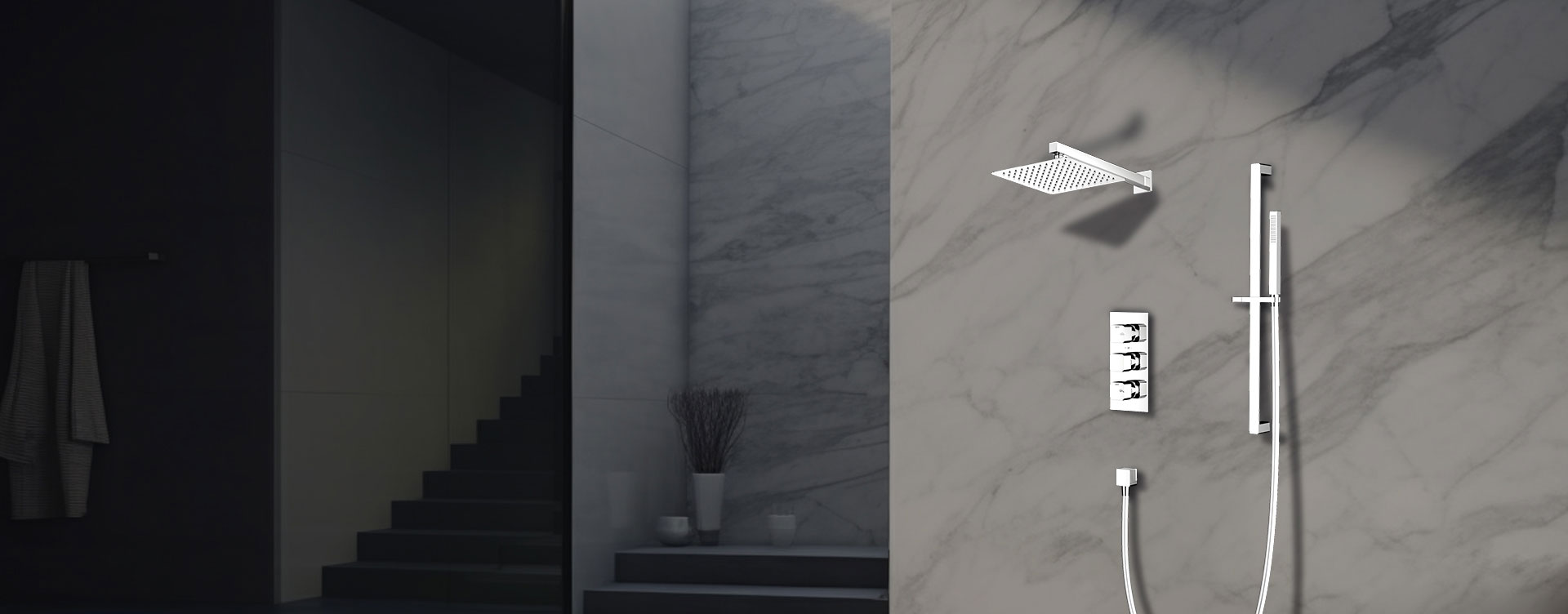
Shower knobs control water flow and temperature, making them essential for comfort and smooth daily use. Over time, knobs may wear out, loosen, corrode, or crack. Internal components such as stems and cartridges may also deteriorate, causing leaks or inconsistent temperature control. Replacing shower knobs restores proper function and improves the overall appearance of the shower. For manufacturers like Moon Shower, which specializes in durable and precisely crafted shower hardware, ensuring easy maintenance and reliable performance is a core part of product design.
Before beginning the replacement process, gather the necessary tools.
Screwdriver
Allen (hex) key
Adjustable wrench
Plumber’s tape
Replacement knobs
Optional: new stems or cartridges if worn
Having the right tools makes the process smooth and safe.
If the knobs control hot and cold valves individually, turn off the main or dedicated bathroom water supply.
This prevents accidental leaks during the replacement process.
Most knobs are held in place with a screw located behind a decorative cap or inside the knob.
Pry off the cap gently with a flat screwdriver
Locate the screw and remove it
Pull the knob straight out from the valve stem
If the knob is stuck, gently wiggle it until it loosens. Avoid using excessive force to prevent damage.
With the knob removed, check the condition of the underlying components.
Corrosion
Mineral buildup
Worn splines
Cracked stems
If the stem or cartridge is damaged, replacing it now prevents future leaks or stiffness.
Use a wrench to remove the old stem
Clean the valve seat
Install the new stem securely
Remove retaining clips
Slide out the old cartridge
Insert a new, properly aligned cartridge
A smooth-operating internal system ensures the new knobs function flawlessly.
Align the new knob with the valve stem or cartridge spline.
Slide the knob into position
Insert and tighten the screw
Snap the decorative cap back into place
Ensure the knob turns smoothly from off to fully open.
Restore the water supply and test the knobs.
Smooth rotation
Accurate temperature control
Proper water pressure
No leaks around the stem or knob base
If issues appear, recheck alignment or internal components.
New knobs restore smooth control of water flow and temperature.
Replacing old or worn knobs instantly refreshes the shower’s look.
Worn knobs can cause leaks; new ones help eliminate waste.
Updated components resist corrosion and wear, especially when paired with high-quality fixtures.
Moon Shower designs its shower fixtures with maintenance and longevity in mind.
Precision-machined stems and cartridges for smooth operation
Corrosion-resistant materials ideal for wet environments
Strong structural support to prevent wobbling or loosening
User-friendly designs that simplify knob replacement
Consistent product lines for seamless upgrades or matching components
These engineering standards ensure that replacing shower knobs is straightforward while maintaining long-term performance and water-control stability.
Prevent mineral buildup that can stiffen knob movement.
Gentle operation preserves internal seals and splines.
Loose knobs or minor leaks should be addressed immediately.
Reliable valves and cartridges help prevent premature wear.
High pressure increases stress on knob mechanisms.
Previous: Why Does My Shower Drain Smell